Great interior design ideas and tips can turn any room from forgettable to unforgettable. Whether someone is moving into a new home or refreshing a tired space, the right approach makes all the difference. Good design isn’t about following trends blindly or spending a fortune. It’s about creating a space that feels both beautiful and functional.
This guide covers practical interior design ideas and tips that anyone can apply. From defining a personal style to mastering color and lighting, these strategies help homeowners and renters alike create spaces they love coming home to.
Table of Contents
ToggleKey Takeaways
- Define your personal style first by gathering inspiration and committing to one primary aesthetic for a cohesive look.
- Apply the 60-30-10 color rule to create balanced, visually appealing rooms without overwhelming the space.
- Layer multiple light sources at different heights and use dimmer switches to control mood throughout the day.
- Invest in quality foundational pieces like sofas and beds, then save money on trendy accessories that are easy to swap.
- Balance aesthetics with function by considering traffic flow, storage needs, and how each room will actually be used.
- Add depth to any space by mixing textures—pair smooth with rough, shiny with matte—to keep interior design ideas feeling warm and dynamic.
Define Your Personal Style
Every successful interior design project starts with one question: What style feels right? Without a clear direction, rooms end up looking scattered and disconnected.
Start by gathering inspiration. Pinterest boards, design magazines, and even restaurant interiors offer clues about personal preferences. Does a person gravitate toward clean lines and minimal decor? That suggests a modern aesthetic. Do they love vintage furniture and warm wood tones? Traditional or mid-century modern might be the answer.
Here are some popular interior design styles to consider:
- Modern: Clean lines, neutral colors, and minimal ornamentation
- Scandinavian: Light woods, cozy textures, and functional simplicity
- Bohemian: Eclectic patterns, rich colors, and global influences
- Farmhouse: Rustic elements, natural materials, and comfortable warmth
- Industrial: Exposed brick, metal accents, and raw finishes
The key is consistency. Mixing too many styles creates visual chaos. Pick one primary style and stick with it across major pieces. Accent items can add personality without disrupting the overall flow.
Don’t rush this step. Living with a mood board for a few weeks helps clarify what truly resonates versus what seems appealing in the moment.
Start With a Strong Foundation
Furniture placement and foundational pieces set the tone for any room. Interior design ideas and tips often focus on accessories, but the big items matter most.
Start with the largest piece in the room. In a living room, that’s usually the sofa. In a bedroom, it’s the bed. Position these pieces first, then build around them.
Flooring deserves attention too. Rugs anchor seating areas and define zones in open floor plans. A rug that’s too small makes furniture look awkward and disconnected. The general rule? Front legs of major furniture pieces should sit on the rug.
Wall treatments create visual impact. Paint remains the most affordable way to transform a space. Wallpaper adds pattern and texture for those wanting more drama. Even a single accent wall changes a room’s entire feel.
Invest in quality for foundational pieces. A well-made sofa lasts 15 years or more. Cheap furniture needs replacement every few years, costing more in the long run. Save money on trendy accessories instead, those are easier to swap out when tastes change.
Master the Art of Color and Lighting
Color and lighting work together to create mood. These interior design ideas and tips help get both right.
Choosing a Color Palette
The 60-30-10 rule simplifies color decisions. Use a dominant color for 60% of the room (walls, large furniture). A secondary color covers 30% (curtains, accent chairs, bedding). An accent color adds pops of interest at 10% (throw pillows, art, decorative objects).
Neutral palettes feel calm and timeless. Bold colors add energy and personality. There’s no wrong choice, just what fits the intended mood.
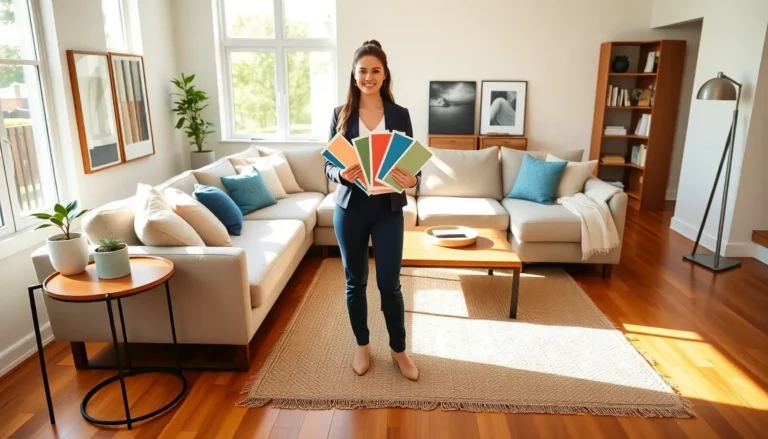
Test paint samples on walls before committing. Colors look different under various lighting conditions. What seems perfect in the store can look completely wrong at home.
Layering Light Sources
Good lighting requires multiple sources at different heights. Overhead fixtures provide ambient light. Table lamps and floor lamps add task lighting. Wall sconces and candles create accent lighting.
Dimmer switches are worth the small investment. They allow adjustment for different activities and times of day. Natural light matters too, don’t block windows with heavy treatments unless privacy requires it.
Bulb temperature affects mood significantly. Warm bulbs (2700K-3000K) create cozy atmospheres. Cool bulbs (4000K+) feel more energizing and work well in kitchens and offices.
Balance Function and Aesthetics
Beautiful rooms that don’t work for daily life create frustration. Smart interior design ideas and tips always consider practical needs alongside visual appeal.
Think about how each room gets used. A family with young kids needs durable, wipeable fabrics. Someone who works from home needs proper desk lighting and comfortable seating. Empty nesters might prioritize entertaining spaces.
Storage solutions prevent clutter from ruining a well-designed room. Built-ins, baskets, and furniture with hidden compartments keep belongings organized. Every room needs designated spots for everyday items.
Traffic flow affects comfort. Leave clear pathways between furniture pieces, at least 30 inches for main walkways. Avoid blocking doorways or creating awkward obstacles.
Scale matters for both function and aesthetics. Oversized furniture overwhelms small rooms. Tiny pieces get lost in large spaces. Measure before buying anything substantial.
Incorporate Texture and Layers
Flat, one-dimensional rooms feel boring. Texture and layers add visual interest and warmth that photographs can’t fully capture.
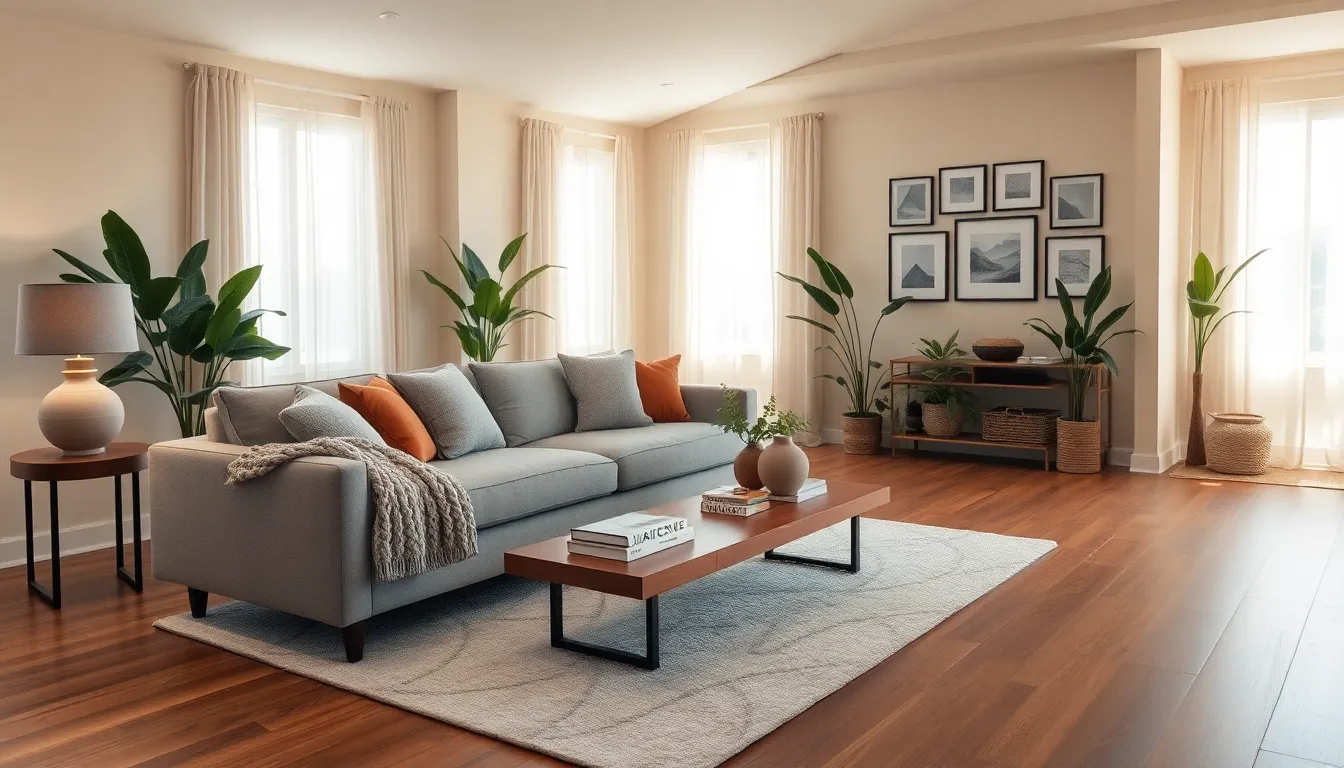
Mix different materials throughout a space. Pair smooth leather with nubby wool. Combine sleek metal with rough wood. Place shiny ceramics next to matte textiles. These contrasts create depth that keeps eyes moving around the room.
Soft furnishings offer easy texture opportunities:
- Throw blankets in chunky knits or plush velvet
- Pillows in varying sizes, patterns, and fabrics
- Curtains with interesting weaves or subtle sheens
- Area rugs with dimensional pile or natural fibers
Hard surfaces contribute texture too. A stone coffee table, a woven basket, or a ceramic vase all add tactile variety.
Layering extends beyond texture. Art grouped in collections has more impact than single pieces scattered around. Books stacked on tables create visual weight. Plants at different heights add organic dimension.
These interior design ideas and tips about texture apply to every style. Even minimalist spaces need some textural variety to avoid feeling sterile.