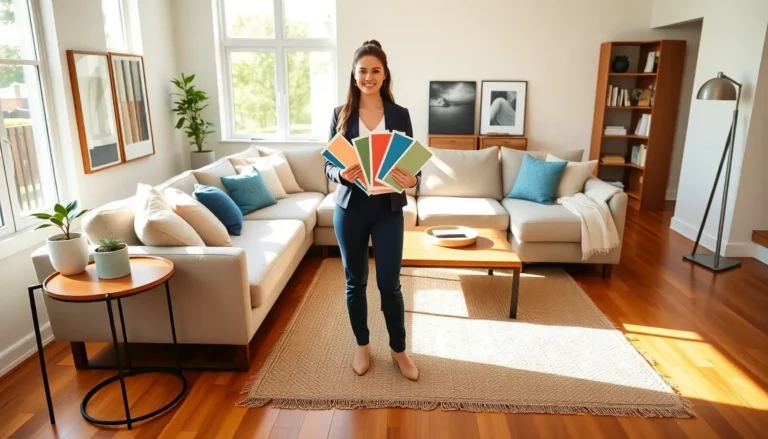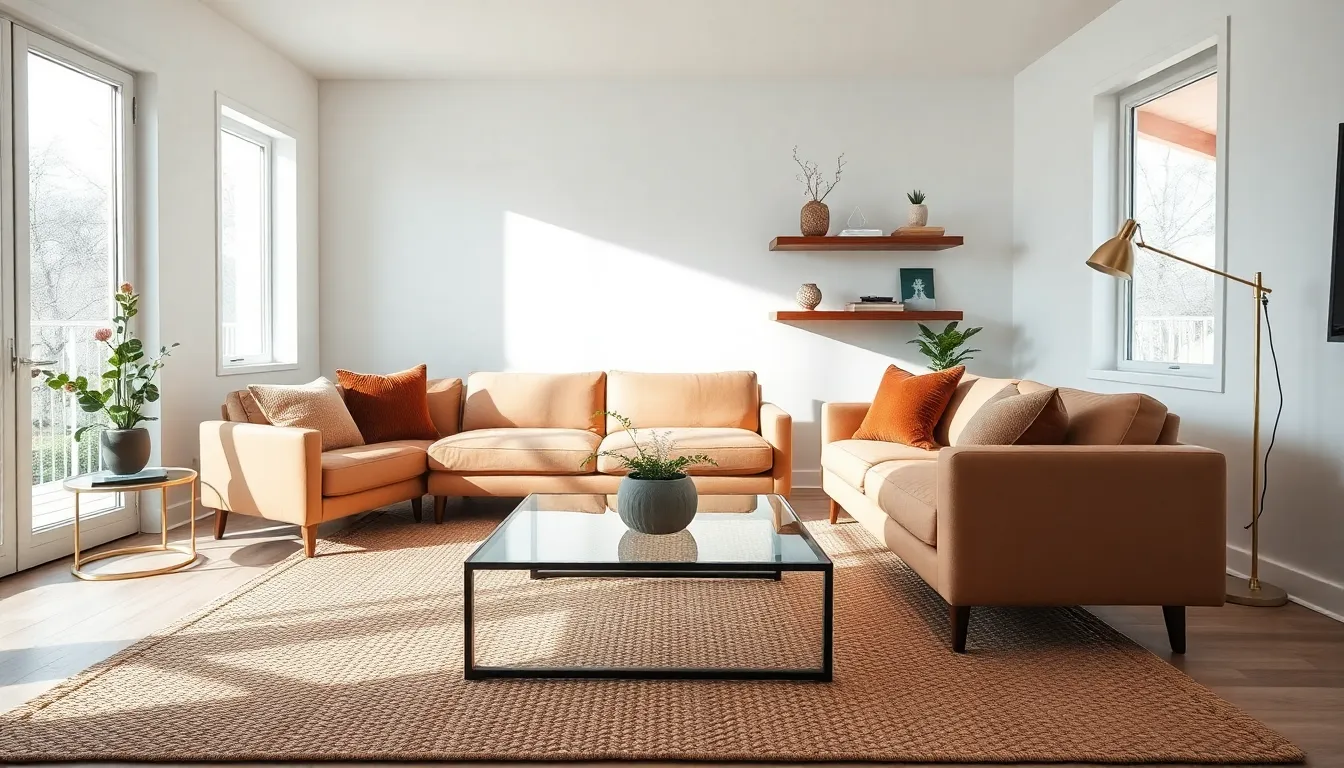
Interior design ideas and techniques can turn any room from ordinary to extraordinary. Whether someone wants to refresh a living room or completely reimagine a bedroom, the right approach makes all the difference. Good design goes beyond picking pretty furniture. It involves understanding space, light, color, and how people actually live in their homes.
This guide covers the fundamentals every homeowner should know. It explores popular styles, practical techniques for visual balance, and smart ways to work with color and texture. Best of all, many of these interior design ideas work on any budget. A well-designed space doesn’t require a massive investment, just thoughtful planning and a few key principles.
Table of Contents
ToggleKey Takeaways
- Great interior design ideas start with understanding your space—measure rooms, plan traffic flow, and avoid pushing all furniture against walls.
- Follow the 60-30-10 color rule to create visual cohesion: 60% dominant color, 30% secondary, and 10% accent.
- Balance your room using symmetry, asymmetry, or focal points to create harmony without monotony.
- Layer three types of lighting—ambient, task, and accent—to transform any room’s functionality and mood.
- Budget-friendly interior design techniques like paint, thrift shopping, and rearranging existing furniture can refresh spaces without major investment.
- Mix textures such as leather, velvet, glass, and woven materials to add depth and prevent rooms from feeling flat.
Understanding the Fundamentals of Interior Design
Every great interior design project starts with the basics. These fundamentals serve as the foundation for all design decisions, from furniture placement to paint colors.
Space and Layout
Space is the canvas. Before buying anything, measure the room and sketch a rough floor plan. Note where doors and windows sit. Think about traffic flow, people need clear paths to walk through. A common mistake is pushing all furniture against walls. Pulling pieces slightly inward often creates a more inviting atmosphere.
Scale and Proportion
Scale refers to how furniture size relates to room size. A massive sectional overwhelms a small living room. A tiny coffee table looks lost in a spacious den. Proportion deals with how items relate to each other. A delicate side table next to an oversized armchair creates visual tension, and not the good kind.
The Rule of Thirds
Borrowed from photography, this principle suggests dividing spaces into thirds horizontally and vertically. Place focal points at these intersections. Interior design ideas that follow this rule feel naturally pleasing to the eye.
Function First
A room must work for the people using it. Ask: What activities happen here? Who uses this space most? A family with young kids needs durable fabrics. A home office demands good lighting and storage. Pretty but impractical designs fail every time.
Popular Design Styles to Inspire Your Home
Choosing a style gives direction to interior design ideas and keeps decisions consistent. Here are some popular approaches worth considering.
Modern Minimalism
Clean lines, neutral colors, and clutter-free surfaces define this style. Every item has purpose. Storage stays hidden. Materials like glass, steel, and concrete appear frequently. This approach works well in smaller spaces where visual simplicity prevents rooms from feeling cramped.
Mid-Century Modern
Originating in the 1950s and 60s, this style features organic shapes, tapered legs, and warm wood tones. Think Eames chairs and starburst clocks. It blends well with contemporary interiors and adds personality without overwhelming a space.
Scandinavian Design
Functionality meets warmth in this Nordic-inspired approach. Light woods, white walls, and cozy textiles create inviting spaces. Natural light plays a starring role. Interior design techniques in this style often emphasize hygge, that Danish concept of comfortable contentment.
Industrial Style
Exposed brick, metal fixtures, and raw materials give spaces an urban edge. This style celebrates imperfection and embraces structural elements most designs hide. It suits loft apartments and open floor plans particularly well.
Bohemian (Boho)
Eclectic, colorful, and personal, boho design breaks rules intentionally. Layered textiles, global influences, and collected treasures create rich, lived-in spaces. This style welcomes mixing patterns and eras.
Essential Techniques for Creating Visual Balance
Balance prevents rooms from feeling off. These interior design techniques help create harmony without monotony.
Symmetrical Balance
This classic approach mirrors elements on either side of a central axis. Two matching lamps flanking a bed. Identical chairs facing each other across a fireplace. Symmetry feels formal and orderly. It works especially well in traditional spaces.
Asymmetrical Balance
More casual and dynamic, asymmetry balances visual weight rather than identical objects. A large artwork on one wall might balance against a grouping of smaller frames on another. A heavy sofa finds equilibrium with two lighter chairs opposite. This technique requires more skill but creates interesting spaces.
Focal Points
Every room needs a star. Architectural features like fireplaces serve naturally. No built-in focal point? Create one with a statement piece of art, a bold headboard, or an eye-catching light fixture. Interior design ideas work best when they direct attention purposefully.
The Power of Odd Numbers
Groupings of three or five objects please the eye more than even numbers. Three pillows on a sofa. Five candles on a mantel. This principle applies to art arrangements, shelf styling, and accessory placement.
Working With Color, Texture, and Lighting
These three elements do the heavy lifting in any interior design project. Mastering them transforms ordinary rooms.
Color Fundamentals
Start with the 60-30-10 rule: 60% dominant color (usually walls), 30% secondary color (upholstery, curtains), and 10% accent color (accessories, artwork). This ratio creates cohesion while allowing variety. Cool colors make spaces feel larger. Warm colors add coziness. Interior design techniques using color can completely change a room’s mood without moving a single piece of furniture.
Understanding Undertones
Every color contains undertones, subtle hints of other colors. That gray paint might lean blue, green, or purple. Match undertones across different colors in a room to prevent visual clash. Test samples in actual lighting conditions before committing.
Texture Creates Interest
Smooth, rough, soft, hard, mixing textures adds depth. A leather sofa paired with velvet pillows. A sleek glass table on a chunky woven rug. Without texture variation, rooms feel flat regardless of color choices. Interior design ideas that layer textures feel complete and inviting.
Lighting Layers
Good lighting uses three types: ambient (general overhead), task (focused for activities), and accent (highlighting features). Most rooms need all three. Dimmer switches add flexibility. Natural light remains the most flattering, maximize it where possible.
Budget-Friendly Design Ideas for Any Room
Great interior design ideas don’t require unlimited funds. Smart choices and creative thinking stretch any budget.
Paint Changes Everything
A gallon of paint costs under $50 and transforms a room faster than any other update. Accent walls create drama without painting every surface. Don’t forget ceilings, a subtle color overhead adds unexpected interest.
Thrift and Vintage Shopping
Secondhand stores, estate sales, and online marketplaces offer quality pieces at fraction prices. Solid wood furniture from decades past often outperforms new flat-pack options. A coat of paint or new hardware refreshes dated finds.
DIY Projects
Simple projects deliver big impact. Replace dated light fixtures. Install floating shelves. Create custom art with inexpensive frames and fabric remnants. Interior design techniques like these add personality while keeping costs down.
Rearrange Before You Buy
Sometimes the solution already exists, just in the wrong spot. Move furniture between rooms. Rotate accessories seasonally. A fresh arrangement costs nothing and can make spaces feel entirely new.
Invest Strategically
Spend more on high-use items: sofas, mattresses, dining chairs. Save on trendy accessories and decorative pieces. Quality basics last years while cheap furniture needs frequent replacement.