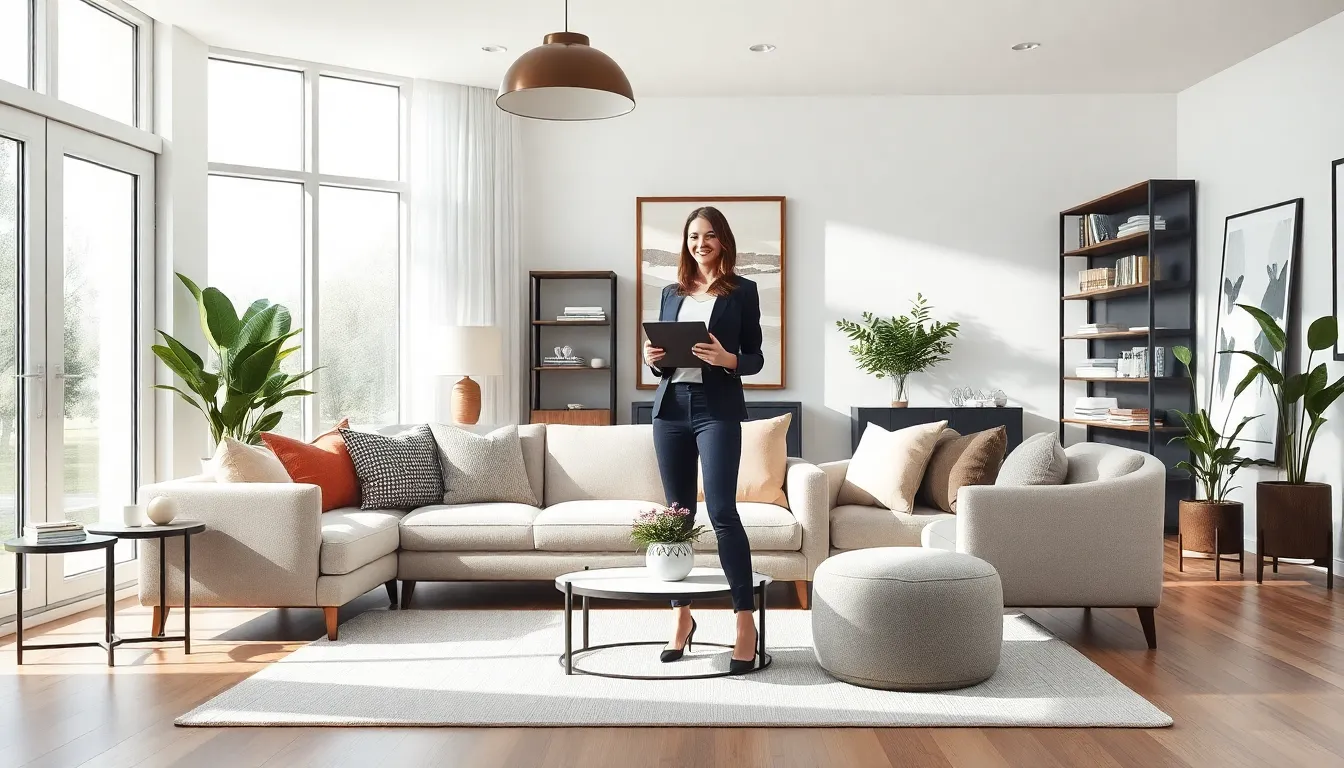
Interior design ideas and strategies can turn any room into a space that feels both functional and beautiful. Whether someone is redecorating a single room or overhauling an entire home, the right approach makes all the difference. Good interior design balances personal style with practical needs. It considers how people actually live in their spaces. This guide covers proven interior design ideas and strategies that work for any budget, room size, or aesthetic preference. From setting a clear vision to mixing trends with timeless elements, these principles help create spaces that look great and function even better.
Table of Contents
ToggleKey Takeaways
- Start every interior design project with a clear vision, mood board, and realistic budget to guide all purchasing decisions.
- Balance aesthetics with function by prioritizing traffic flow, adequate storage, and furniture you’ll actually use daily.
- Apply the 60-30-10 color rule and layer ambient, task, and accent lighting to create visually balanced, inviting rooms.
- Maximize small spaces with vertical storage, multi-functional furniture, light colors, and strategically placed mirrors.
- Blend current trends with timeless foundations by investing in classic pieces and following trends only with affordable, easily replaced items.
- Authentic interior design ideas that reflect your personal style will always outlast fleeting trends.
Start With a Clear Vision and Budget
Every successful interior design project begins with two things: a clear vision and a realistic budget. Without these foundations, even the best interior design ideas can fall flat.
First, define the purpose of the space. A living room meant for entertaining guests requires different furniture and layout than one designed for quiet family movie nights. Write down how the room will be used daily. This clarity prevents expensive mistakes later.
Next, establish a budget before shopping. Interior design costs add up quickly. A single statement piece can eat through funds meant for essential items. Experts recommend allocating roughly 30% of the budget to major furniture, 20% to lighting and fixtures, and the remaining 50% to decor, textiles, and unexpected expenses.
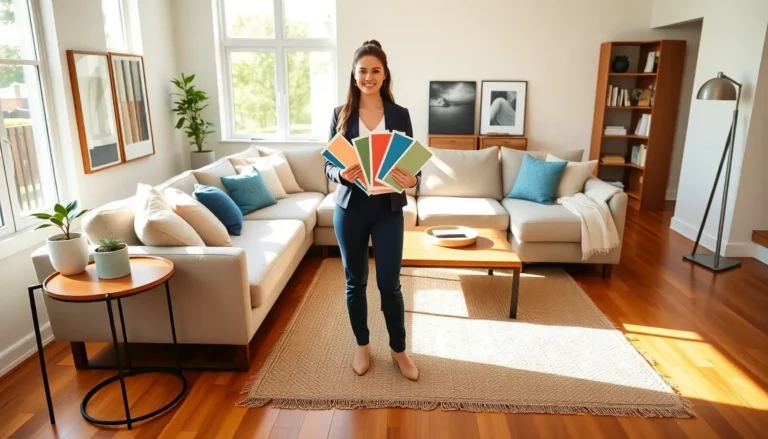
Create a mood board to visualize the final result. Pinterest, magazines, and design apps offer endless inspiration. Collect images that capture the desired feeling, not just individual pieces. Look for patterns in the selections. Do they lean modern or traditional? Warm or cool? These patterns reveal personal style preferences.
Interior design ideas become much easier to execute with this groundwork. The vision acts as a filter for every purchase decision. Does this item fit the plan? Does it stay within budget? If not, move on. This discipline separates successful projects from chaotic ones.
Balance Function and Aesthetics
Beautiful rooms that don’t work for daily life frustrate their owners. The best interior design strategies prioritize function alongside aesthetics.
Start with traffic flow. People need clear paths through rooms. Furniture placement should allow easy movement without awkward squeezing past tables or chairs. Leave at least 30 inches for main walkways and 18 inches for secondary paths.
Storage solves many design problems. Clutter destroys even the most stunning interior design ideas. Built-in shelving, ottomans with hidden compartments, and furniture with drawers keep belongings organized and out of sight. Every room benefits from adequate storage solutions.
Consider the activities that happen in each space. A home office needs proper desk height, good lighting, and minimal distractions. A bedroom prioritizes restful sleep, which means blackout options and comfortable bedding matter more than decorative pillows. A kitchen requires efficient work triangles between the sink, stove, and refrigerator.
Comfort should never be sacrificed for style. That gorgeous but rigid chair will collect dust in the corner. Test furniture before buying whenever possible. Sit on sofas, open drawers, and imagine using pieces daily for years.
Form follows function remains a core principle of interior design. Rooms that work well naturally feel more inviting and polished.
Master Color, Lighting, and Texture
Three elements transform ordinary rooms into memorable spaces: color, lighting, and texture. These interior design ideas create depth and visual interest without major renovations.
Color Strategies
Color sets the emotional tone of any room. Cool blues and greens promote calm. Warm yellows and oranges energize. Neutrals provide flexibility for changing accessories over time.
The 60-30-10 rule offers a reliable formula. Use the dominant color for 60% of the space (walls, large furniture). Apply a secondary color to 30% (curtains, accent chairs). Reserve a bold accent for the final 10% (throw pillows, artwork). This ratio creates visual balance and cohesion.
Lighting Layers
Lighting requires layers. Ambient lighting provides overall illumination. Task lighting serves specific activities like reading or cooking. Accent lighting highlights artwork or architectural features. Most rooms need all three types working together.
Natural light remains the most flattering option. Maximize it with light window treatments and strategically placed mirrors that bounce sunlight deeper into rooms.
Texture and Dimension
Texture adds dimension that photographs rarely capture but guests always notice. Smooth leather against rough linen. Polished metal beside weathered wood. Soft velvet next to crisp cotton. These contrasts make spaces feel collected and intentional rather than catalog-ordered.
Interior design strategies that layer textures prevent rooms from feeling flat or one-dimensional.
Maximize Small Spaces With Smart Design
Small rooms present unique challenges, but they also inspire creative interior design ideas. Limited square footage demands smarter choices, not smaller dreams.
Vertical space often goes unused. Tall bookshelves draw the eye upward and create the illusion of height. Hanging plants, high-mounted artwork, and floor-to-ceiling curtains all emphasize vertical lines.
Multi-functional furniture saves precious floor space. Murphy beds fold into walls. Nesting tables expand when needed and tuck away when not. Dining tables with drop leaves adapt to different situations.
Mirrors remain the classic small-space trick because they work. A large mirror opposite a window doubles natural light and creates perceived depth. Mirrored furniture pieces amplify this effect.
Light colors make rooms feel larger. White and pale neutrals reflect light and visually push walls outward. Dark colors absorb light and close spaces in, fine for cozy bedrooms but challenging in tight living areas.
Furniture scale matters more in small spaces. Oversized sectionals overwhelm small living rooms. Apartment-sized alternatives offer the same comfort in proportions that fit the room.
These interior design ideas prove that small spaces can feel open, organized, and stylish with the right approach.
Incorporate Trends Without Losing Timelessness
Trends make interior design exciting. They also date spaces quickly when followed too closely. The smartest interior design strategies blend current trends with classic foundations.
Invest in timeless pieces for expensive, permanent items. Sofas, dining tables, and built-in elements should feature classic silhouettes and neutral colors. These investments last decades when chosen carefully.
Follow trends with affordable, easily replaced items. Throw pillows, artwork, lamps, and small accent pieces can reflect current styles without major commitment. When trends shift, these items swap out inexpensively.
Some current trends show staying power. Natural materials like wood, stone, and rattan have appeared across many design eras. Organic shapes and curved furniture feel fresh now but reference mid-century modern classics. These trends carry lower risk than hyper-specific aesthetic movements.
Personal style should override trend-following. Interior design ideas that reflect genuine preferences age better than those chasing magazine covers. A room that feels authentic to its owner never truly goes out of style.
Mix eras intentionally. A vintage inherited piece alongside modern furniture creates the collected-over-time look that designers prize. This approach also prevents rooms from looking like showroom displays.