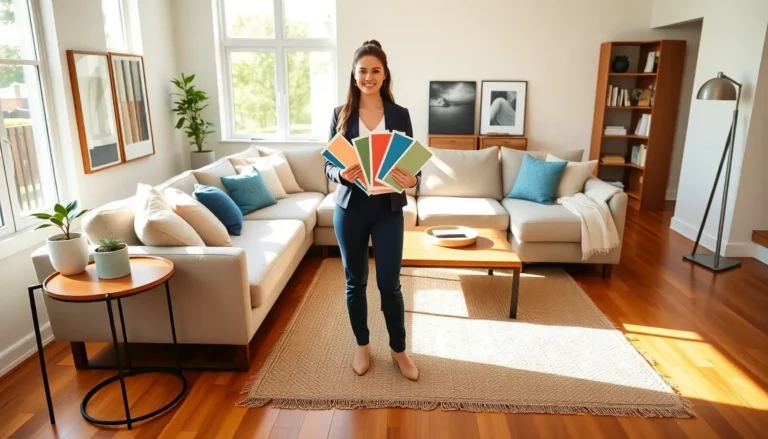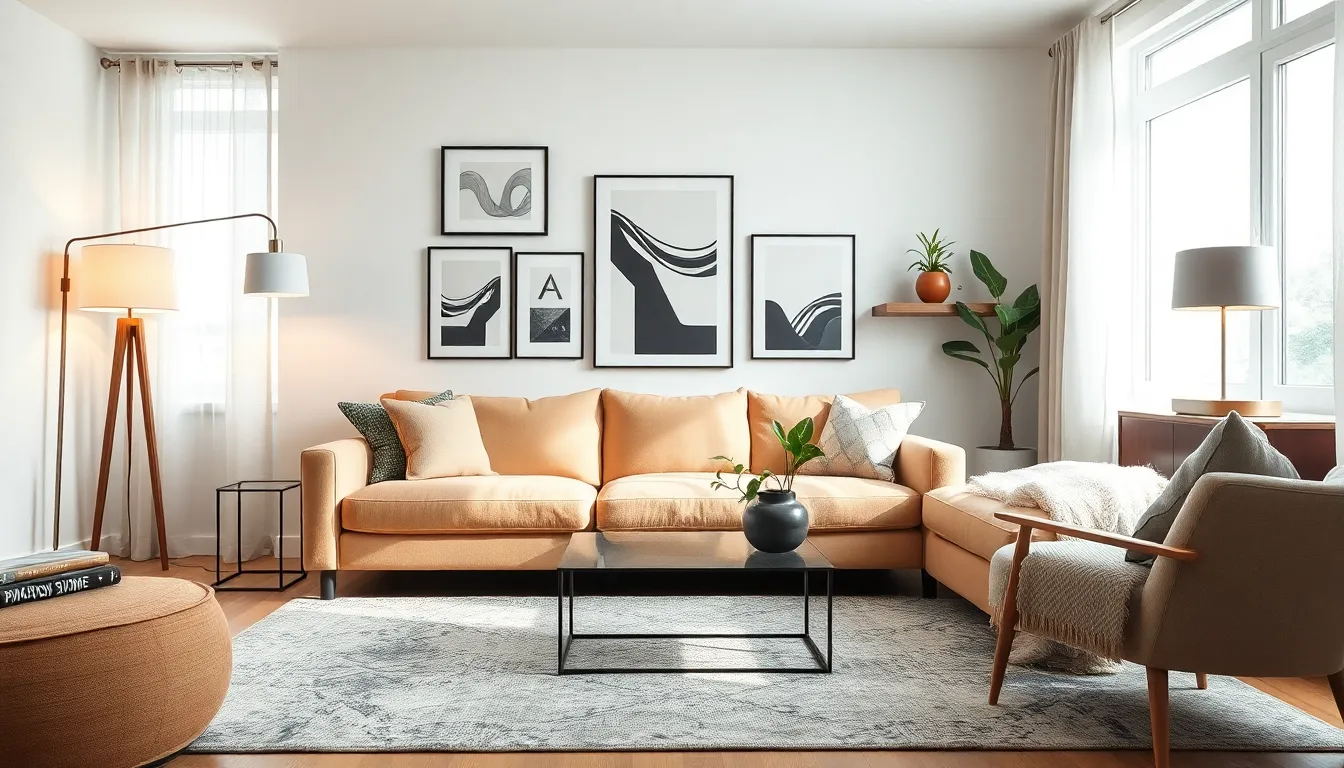
An interior design ideas guide can turn an ordinary home into a space that reflects personality and function. Whether starting from scratch or refreshing a single room, the right design choices make all the difference. This guide covers essential styles, practical tips, and budget-smart strategies to help anyone create a home they love.
Good interior design isn’t about following trends blindly. It’s about understanding what works for a specific space and lifestyle. The following sections break down personal style discovery, popular design approaches, room-specific advice, and ways to achieve great results without overspending.
Table of Contents
ToggleKey Takeaways
- Identify your personal design style by gathering inspiration and considering lifestyle factors before making purchases.
- Popular interior design ideas include Modern, Traditional, Scandinavian, Industrial, Bohemian, and Mid-Century Modern—mixing elements creates unique spaces.
- Each room needs tailored design choices: living rooms benefit from layered lighting, kitchens require an efficient work triangle, and bedrooms should promote rest.
- Paint is the most budget-friendly way to transform a room, while secondhand furniture often offers better quality than mass-produced options.
- Focus spending on high-impact items like statement lighting or quality sofas, and use affordable textiles and plants to complete the look.
- This interior design ideas guide emphasizes creating spaces that reflect your personality while remaining functional for everyday life.
Understanding Your Personal Design Style
Before buying furniture or picking paint colors, it helps to identify a personal design style. This step saves time, money, and frustration down the road.
Start by gathering inspiration. Pinterest boards, home magazines, and saved Instagram posts reveal patterns in what catches the eye. Look for common threads, maybe there’s a preference for clean lines, or perhaps warm textures keep appearing. These clues point toward a natural aesthetic.
Consider lifestyle factors too. A family with young children needs durable, easy-to-clean surfaces. Someone who works from home might prioritize a dedicated office space. A frequent entertainer wants an open layout that encourages conversation.
Ask these questions:
- What colors create a sense of calm or energy?
- Is clutter comforting or stressful?
- Do vintage pieces feel charming or dated?
- What materials, wood, metal, fabric, feel most appealing?
The answers shape interior design ideas that actually work for daily life. A style that looks great in photos but clashes with real habits won’t bring lasting satisfaction.
Don’t worry about fitting into one category. Most successful spaces blend elements from multiple styles. The goal is creating a cohesive look that feels authentic and livable.
Popular Interior Design Styles to Consider
Several interior design ideas have stood the test of time. Understanding these styles helps homeowners communicate with designers and shop more efficiently.
Modern style features clean lines, neutral colors, and minimal ornamentation. Furniture has simple geometric shapes. Materials like glass, steel, and concrete appear frequently. This style works well in urban apartments and newer construction.
Traditional design draws from European influences. Think rich wood tones, elegant fabrics like silk and velvet, and symmetrical arrangements. Crown molding, wainscoting, and antique pieces define this classic look.
Scandinavian interiors emphasize function, light, and simplicity. White walls, natural wood, and cozy textiles create warm minimalism. This style suits smaller spaces and those seeking a clutter-free environment.
Industrial design celebrates exposed brick, metal fixtures, and raw materials. Open floor plans, high ceilings, and vintage factory elements characterize this urban aesthetic. It works particularly well in loft spaces and converted buildings.
Bohemian style embraces color, pattern, and collected treasures. Layered textiles, global influences, and plants create an eclectic, personal atmosphere. Rules matter less here, expression takes priority.
Mid-Century Modern combines organic shapes with clean lines. Furniture from the 1950s and 1960s inspires this look. Warm wood tones, bold accent colors, and iconic pieces define the style.
Mixing elements from different styles creates unique spaces. A modern room might include one bohemian textile. A traditional space could feature industrial lighting. These combinations add character and interest.
Room-by-Room Design Tips
Each room serves different functions and deserves specific interior design ideas.
Living Room
The living room sets the tone for the entire home. Start with a focal point, a fireplace, large window, or statement piece of art. Arrange seating to encourage conversation, with furniture facing each other rather than all pointed at the TV.
Layer lighting with overhead fixtures, table lamps, and floor lamps. This creates flexibility for different activities and moods. Add texture through throw pillows, rugs, and curtains to warm up the space.
Kitchen
Function drives kitchen design. The work triangle, sink, stove, and refrigerator, should allow easy movement between these three points. Counter space matters more than most people realize.
Open shelving displays beautiful dishes but requires organization. Closed cabinets hide clutter. Many kitchens benefit from a mix of both. Good lighting over work surfaces prevents accidents and makes cooking more enjoyable.
Bedroom
Bedrooms need to promote rest. Position the bed as the focal point, ideally facing the door but not directly in line with it. Invest in quality bedding, it affects sleep quality significantly.
Keep electronics minimal and choose calming colors. Blackout curtains or blinds improve sleep. Nightstands at appropriate heights make bedtime routines easier.
Bathroom
Storage solves most bathroom problems. Floating vanities create visual space. Mirrors make small bathrooms feel larger. Good lighting at face level prevents unflattering shadows.
Choose moisture-resistant materials and ensure proper ventilation. Plants that thrive in humidity add life to bathroom spaces.
Budget-Friendly Design Strategies
Great interior design ideas don’t require unlimited funds. Smart strategies stretch any budget further.
Paint transforms everything. A fresh coat of paint costs relatively little but changes a room completely. Even painting just one accent wall creates impact. Don’t forget ceilings, a subtle color overhead adds unexpected interest.
Shop secondhand. Thrift stores, estate sales, and online marketplaces offer quality furniture at fraction of retail prices. Solid wood pieces from decades past often surpass today’s mass-produced options. A coat of paint or new hardware refreshes dated finds.
Focus on high-impact items. Spending more on a statement light fixture or quality sofa makes sense when surrounding items cost less. One beautiful piece elevates an entire room.
DIY where skills allow. Simple projects like painting furniture, installing floating shelves, or creating gallery walls save money. Leave electrical, plumbing, and structural work to professionals.
Rearrange before buying. Sometimes a room just needs fresh eyes. Moving existing furniture to new positions costs nothing and can solve layout problems. A piece that doesn’t work in one room might shine in another.
Invest in textiles. New curtains, throw pillows, and rugs update a space affordably. These items also allow seasonal changes without major expense.
Add plants. Greenery brings life to any room at minimal cost. Even those without green thumbs can maintain pothos, snake plants, or succulents.