Interior design ideas for beginners don’t have to feel overwhelming. Anyone can create a beautiful, functional home with the right approach. This guide breaks down the essentials, from color palettes to furniture arrangement, so first-time decorators can make confident decisions. Whether someone is moving into a new apartment or refreshing their current space, these practical tips provide a solid foundation. Good design isn’t about spending a fortune or following every trend. It’s about understanding a few core principles and applying them with intention.
Table of Contents
ToggleKey Takeaways
- Interior design ideas for beginners start with mastering five core principles: balance, proportion, rhythm, emphasis, and harmony.
- Use the 60-30-10 color rule to create a balanced palette—60% dominant color, 30% secondary, and 10% accent.
- Arrange furniture to encourage conversation, allow 30–36 inches for traffic flow, and pull pieces slightly away from walls.
- Layer textures and materials like wood, metal, fabric, and plants to add depth and prevent rooms from feeling flat.
- Shop secondhand, DIY simple projects, and prioritize high-impact pieces to decorate beautifully on a budget.
- Complete one room at a time and edit clutter ruthlessly—creativity matters more than cash when exploring interior design ideas for beginners.
Understanding the Basic Principles of Interior Design
Every well-designed room follows a handful of basic principles. Learning these gives beginners a framework for making decisions that actually work.
Balance keeps a room from feeling lopsided. Symmetrical balance places matching items on either side of a central point, think two identical lamps flanking a sofa. Asymmetrical balance uses different objects with similar visual weight, which creates a more casual feel.
Proportion and scale matter more than most people realize. A tiny coffee table in front of an oversized sectional looks awkward. Furniture should relate to the room’s size and to each other. A good rule: measure twice, buy once.
Rhythm moves the eye through a space. Repeating colors, shapes, or textures creates visual flow. For example, using the same shade of blue in throw pillows, artwork, and a vase ties a room together without feeling matchy-matchy.
Emphasis gives each room a focal point. This might be a fireplace, a statement piece of art, or a bold accent wall. Without emphasis, rooms feel flat and forgettable.
Harmony ties everything together. All elements should feel like they belong in the same space. This doesn’t mean everything matches perfectly, it means everything connects through color, style, or mood.
Beginners who understand these interior design ideas will make smarter choices from the start.
Choosing a Color Palette That Works
Color sets the mood for any room. Beginners often struggle here because the options feel endless. A simple approach cuts through the confusion.
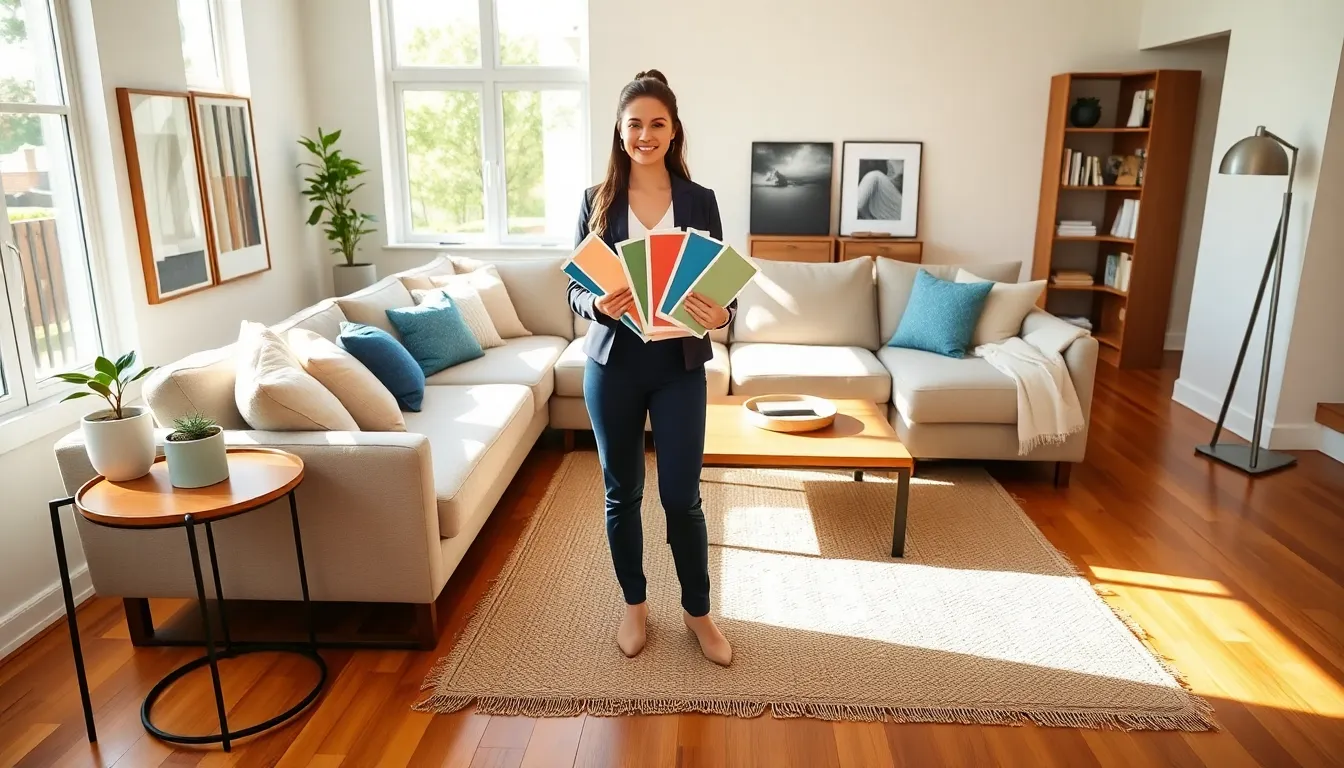
Start with the 60-30-10 rule. Use a dominant color for 60% of the room (walls, large furniture), a secondary color for 30% (curtains, accent chairs, rugs), and an accent color for 10% (pillows, art, decorative objects). This ratio creates balance without requiring a design degree.
Neutrals like white, gray, beige, and cream work as excellent base colors. They’re forgiving, timeless, and easy to build on. From there, add personality with bolder choices.
Consider the room’s purpose when picking colors. Blues and greens promote calm, ideal for bedrooms. Yellows and oranges energize a space, making them good for kitchens or home offices. Darker colors like navy or charcoal add drama but can shrink a room visually.
Test paint samples before committing. Colors look different under various lighting conditions. A shade that looks perfect in the store might read completely different at home under natural or artificial light.
One more tip: pull colors from existing items. A patterned rug, a piece of artwork, or even a favorite throw blanket can inspire an entire palette. This approach takes the guesswork out of interior design ideas for beginners and ensures cohesion.
Furniture Arrangement and Space Planning Tips
Furniture placement can make or break a room. Poor arrangement wastes space, blocks traffic flow, and creates awkward conversations. Good placement does the opposite.
Define the room’s function first. A living room meant for entertaining needs different arrangements than one designed for watching TV. Knowing how the space will be used guides every decision.
Create conversation areas. In living rooms, arrange seating so people can talk comfortably without shouting. Sofas and chairs should face each other or be angled slightly inward. Keep seating within about eight feet of each other for natural conversation.
Leave room for traffic flow. Major pathways need at least 30–36 inches of clearance. Nobody wants to squeeze past furniture or trip over a coffee table. Walk through the space mentally before committing to a layout.
Pull furniture away from walls. This might seem counterintuitive, especially in smaller rooms. But floating furniture creates better flow and makes spaces feel larger. Even a few inches makes a difference.
Anchor seating areas with rugs. A rug should be large enough that at least the front legs of all furniture pieces sit on it. Too-small rugs look like afterthoughts and break up the visual space.
Don’t forget about scale. Oversized furniture overwhelms small rooms. Delicate pieces get lost in large spaces. Measure everything, the room, doorways, and furniture, before purchasing.
These interior design ideas help beginners avoid common mistakes that even experienced decorators sometimes make.
Adding Texture and Layers for Visual Interest
Flat rooms feel boring. Texture and layering add depth and warmth that transforms a space from basic to inviting.
Mix materials. Combine wood, metal, glass, fabric, and natural elements like plants or woven baskets. A room with only smooth, shiny surfaces feels cold. One with only soft textures can feel too casual. The mix creates interest.
Layer textiles. Stack throw pillows of different sizes. Drape a blanket over a sofa arm. Layer rugs on top of each other or over hard flooring. These small touches add visual weight and coziness.
Think about tactile variety. Velvet, linen, leather, wool, cotton, each fabric has a different feel. A velvet pillow next to a linen one creates contrast even if they’re the same color.
Add dimension with art and accessories. Hang artwork at eye level (typically 57–60 inches from the floor to the center). Group smaller pieces together for impact. Lean larger works against walls for a relaxed vibe.
Incorporate plants. Greenery brings life into any room. Even people without green thumbs can find low-maintenance options like pothos, snake plants, or succulents. Plants add color, texture, and a connection to nature.
Don’t forget lighting. Layered lighting, ambient, task, and accent, adds depth. A single overhead fixture leaves shadows and flattens the space. Table lamps, floor lamps, and candles create warmth.
Beginners exploring interior design ideas should remember: texture is free. It costs nothing extra to choose a textured throw over a flat one.
Budget-Friendly Decorating Strategies
Beautiful rooms don’t require unlimited budgets. Smart beginners stretch their dollars with a few key strategies.
Prioritize impact pieces. Spend more on items that make a big visual difference or get heavy use, sofas, beds, dining tables. Save on accessories that can be swapped out easily.
Shop secondhand. Thrift stores, estate sales, Facebook Marketplace, and consignment shops offer quality furniture at a fraction of retail prices. Older pieces often have better construction than cheap new alternatives.
DIY where possible. Paint transforms furniture. New hardware updates dated cabinets. Homemade art costs almost nothing. These projects don’t require advanced skills, just patience and YouTube tutorials.
Rearrange before buying. Sometimes a room feels off because of placement, not pieces. Move things around before assuming new purchases will solve the problem.
Focus on one room at a time. Spreading a limited budget across an entire home leads to half-finished spaces everywhere. Complete one room, then move to the next.
Wait for sales. Major holidays bring significant discounts on furniture and home goods. President’s Day, Memorial Day, Labor Day, and Black Friday typically offer the best deals.
Edit ruthlessly. Clutter is the enemy of good design. Getting rid of items that don’t serve a purpose or bring joy often improves a room more than adding new things.
These interior design ideas for beginners prove that creativity matters more than cash.