Fresh interior design ideas can change how a home looks, feels, and functions. Whether someone wants to update a single room or overhaul an entire house, the right design choices make all the difference. A well-designed space reflects personality, supports daily routines, and creates comfort.
This guide covers practical interior design ideas that work for real homes. Readers will learn how to choose a design style, use color and texture effectively, select furniture that maximizes space, incorporate lighting strategically, and add personal touches that complete a room. These tips apply to apartments, houses, and everything in between.
Table of Contents
ToggleKey Takeaways
- Choose an interior design style that matches your lifestyle and daily habits for long-term satisfaction.
- Use the 60-30-10 color rule and layer textures to create visually balanced and inviting spaces.
- Select multipurpose and properly scaled furniture to maximize space without sacrificing function.
- Layer ambient, task, and accent lighting to add depth and flexibility to any room.
- Add personal touches like art, plants, and textiles to transform generic spaces into a home with character.
- The best interior design ideas balance cohesion with individuality to reflect your personality.
Choosing a Design Style That Fits Your Lifestyle
The best interior design ideas start with choosing a style that matches how someone actually lives. A family with young children has different needs than a single professional who works from home. Style should serve function, not fight against it.
Modern minimalism works well for people who prefer clean lines and open spaces. This style uses neutral colors, simple furniture shapes, and limited decor. It suits those who dislike clutter and want easy maintenance.
Traditional design appeals to homeowners who appreciate classic furniture, rich fabrics, and symmetrical arrangements. This style creates warmth through wood tones, detailed moldings, and layered textiles.
Scandinavian design combines function with comfort. Light wood, white walls, cozy textiles, and practical furniture define this approach. It works especially well in smaller spaces or homes with limited natural light.
Industrial style suits urban lofts or anyone who likes exposed brick, metal accents, and raw materials. This look pairs well with vintage finds and statement lighting.
Before committing to any interior design ideas, homeowners should consider their daily habits. Do they entertain often? Work from home? Have pets? The answers shape which style will actually work long-term.
Working With Color and Texture
Color and texture form the foundation of memorable interior design ideas. They set the mood, define zones, and tie different elements together.
Choosing a Color Palette
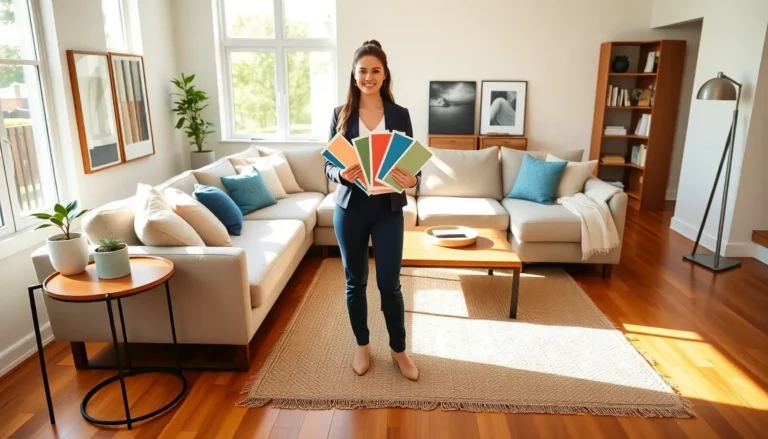
Start with a base color that covers most surfaces, walls, large furniture, and flooring. Neutral tones like white, beige, gray, or soft taupe work as safe foundations. From there, add one or two accent colors through pillows, art, rugs, or smaller furniture pieces.
Warm colors (reds, oranges, yellows) energize a space. Cool colors (blues, greens, purples) create calm. Dark colors make rooms feel intimate, while light colors open them up visually.
The 60-30-10 rule offers a reliable formula: 60% dominant color, 30% secondary color, and 10% accent color. This ratio creates balance without monotony.
Layering Textures
Texture adds depth that color alone cannot achieve. A room with all smooth surfaces feels flat and cold. Mix rough and smooth, matte and shiny, soft and hard.
Practical texture combinations include:
- Linen curtains with velvet pillows
- A leather sofa against a wool rug
- Smooth marble counters with woven baskets
- Metal light fixtures near wood furniture
These interior design ideas create visual interest that draws the eye around a room naturally.
Maximizing Space With Smart Furniture Choices
Furniture selection can make a small room feel spacious or a large room feel cozy. Smart choices rank among the most impactful interior design ideas available.
Scale matters. Oversized furniture overwhelms small rooms. Conversely, tiny pieces in large spaces look lost. Measure the room and furniture dimensions before purchasing anything.
Multipurpose furniture solves storage and space problems simultaneously. Ottoman storage, murphy beds, extendable dining tables, and sofa beds serve double duty. These pieces work especially well in apartments or guest rooms.
Vertical space often goes unused. Tall bookshelves, wall-mounted storage, and floor-to-ceiling curtains draw the eye upward and make ceilings appear higher.
Visual weight affects perception more than actual size. Furniture with exposed legs looks lighter than pieces that sit directly on the floor. Glass or acrylic tables take up physical space without visual bulk.
Traffic flow deserves attention too. Leave clear pathways between furniture groupings. A well-planned layout feels comfortable to move through, even in tight quarters.
These interior design ideas help homeowners create rooms that feel intentional rather than cramped or empty.
Incorporating Lighting as a Design Element
Lighting ranks among the most overlooked interior design ideas, yet it dramatically affects how a space looks and feels. Good lighting design uses three types: ambient, task, and accent.
Ambient lighting provides overall illumination. Ceiling fixtures, recessed lights, and chandeliers fall into this category. Every room needs adequate ambient light as a baseline.
Task lighting serves specific activities. Desk lamps, under-cabinet kitchen lights, and reading lamps help people see what they’re doing. Position task lighting to minimize shadows on work surfaces.
Accent lighting highlights features or creates atmosphere. Track lights aimed at artwork, LED strips under shelves, and uplights behind plants add drama and depth.
Layering Light Sources
Rooms with only one light source feel flat. Multiple light sources at different heights create dimension. A living room might combine a ceiling fixture, table lamps, and wall sconces.
Dimmers offer flexibility that fixed lighting cannot match. The same room can feel bright and energetic for a party or soft and relaxed for movie night.
Natural light also plays a role. Window treatments should control glare while maximizing daylight. Mirrors placed opposite windows reflect light deeper into rooms.
These interior design ideas turn lighting from an afterthought into a design tool.
Adding Personal Touches and Finishing Details
The finishing details separate generic spaces from homes with character. Personal touches bring interior design ideas to life and make spaces feel lived-in.
Art and photography reflect personality. Original pieces, prints, family photos, or collected items all work. Group smaller pieces together for impact, or let one large statement piece anchor a wall.
Plants and greenery add life, literally. They improve air quality, introduce organic shapes, and provide pops of color. Low-maintenance options like pothos, snake plants, and succulents suit beginners.
Books and collections tell stories about the people who live there. Displayed thoughtfully, they add color, texture, and conversation starters.
Textiles soften hard surfaces. Throw blankets, decorative pillows, and area rugs layer comfort into a room. Swap them seasonally for an easy refresh.
Hardware and fixtures make subtle but significant differences. Updating cabinet pulls, door handles, light switches, and outlet covers can modernize a space without major renovation.
The best interior design ideas balance cohesion with individuality. A room should feel pulled together, not like a catalog page. Personal items provide that essential warmth.