The best interior design ideas can turn any room into a space that feels both functional and personal. Whether working with a studio apartment or a sprawling home, smart design choices make all the difference. Good interior design isn’t about spending a fortune, it’s about understanding how materials, colors, light, and layout work together. This guide covers practical approaches that designers use to create stunning spaces. From natural textures to clever storage solutions, these ideas work for any budget and skill level.
Table of Contents
ToggleKey Takeaways
- The best interior design ideas combine natural materials like wood, stone, and linen to create warmth and visual interest without overwhelming a space.
- A strong color strategy using neutral bases with bold accent walls or contrasting elements transforms rooms and sets the mood effectively.
- Layered lighting with natural light, task lamps, and dimmer switches makes spaces feel welcoming and functional at any hour.
- Mixing modern and vintage elements creates collected, personality-rich rooms that feel unique rather than catalog-perfect.
- Smart storage solutions like built-ins, multi-functional furniture, and curated open shelving keep spaces clutter-free and visually calm.
- Great interior design isn’t about big budgets—it’s about understanding how materials, colors, light, and layout work together.
Embrace Natural Materials and Textures
Natural materials bring warmth and character to any room. Wood, stone, linen, and rattan create visual interest without overwhelming a space. These elements connect indoor environments to the outdoors, which makes rooms feel calming and grounded.
Start with furniture pieces that feature raw or lightly finished wood. A solid oak dining table or walnut shelving unit becomes a focal point that ages beautifully over time. Unlike synthetic materials, real wood develops character as it ages.
Textiles offer another easy way to incorporate natural textures. Linen curtains soften harsh light while adding a relaxed, lived-in feel. Cotton and wool throw blankets layered on sofas create depth. Jute or sisal rugs work well in high-traffic areas and add an earthy tone to floors.
Stone accents, whether through a marble side table, a terrazzo tray, or slate coasters, introduce subtle luxury. These materials pair well with both modern and traditional interior design ideas.
Plants deserve a mention here too. A fiddle leaf fig in the corner, trailing pothos on a shelf, or a simple herb garden in the kitchen brings life and color. Plants also improve air quality, which is a practical bonus.
The key is balance. Too many natural materials can make a room feel rustic or unfinished. Mix them with clean lines and intentional negative space to keep the look fresh.
Play With Color and Contrast
Color transforms rooms faster than almost any other design element. The best interior design ideas often start with a strong color strategy that sets the mood and unifies the space.
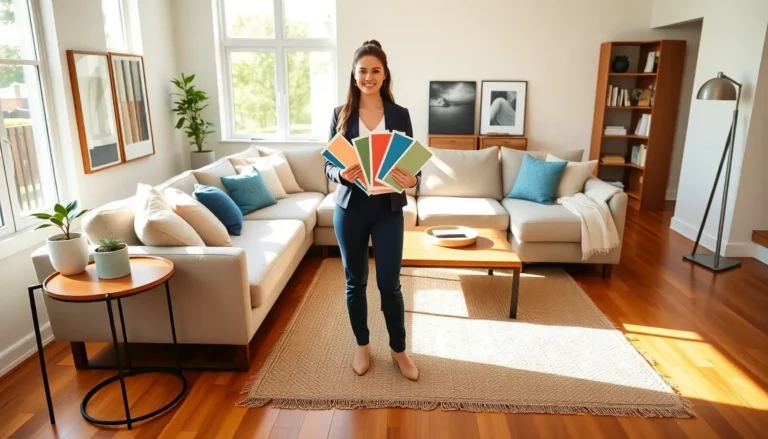
Neutral bases remain popular for good reason. Whites, grays, and beiges create flexibility. They allow accent colors to pop and make it easy to update a room’s look with new accessories. But neutral doesn’t mean boring, consider warm whites, greige tones, or soft clay colors for depth.
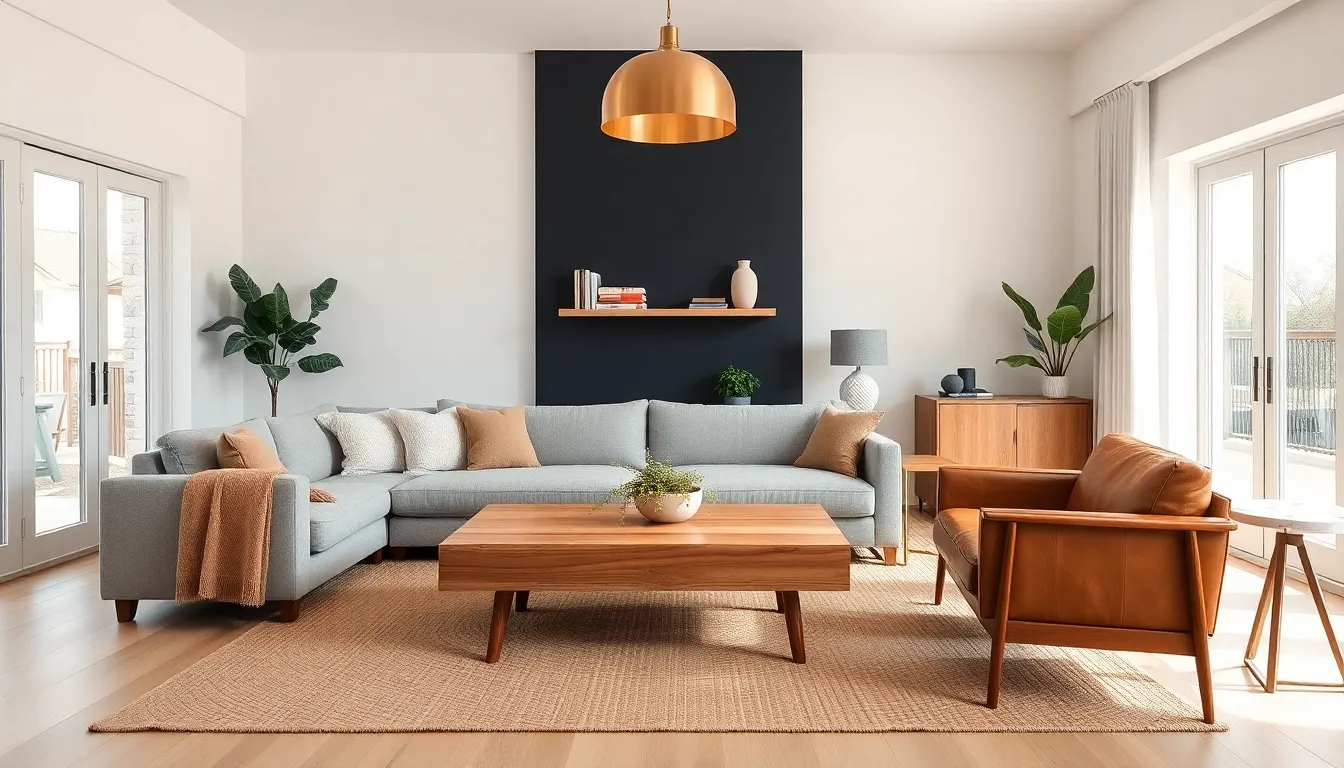
Bold accent walls create drama without commitment. A deep navy, forest green, or terracotta feature wall anchors a room and draws the eye. This approach works especially well in living rooms, bedrooms, and dining areas.
Contrast adds visual energy. Pair light walls with dark furniture, or vice versa. Black-framed mirrors against white walls, dark wood floors beneath pale sofas, or brass fixtures in a matte black kitchen, these combinations create tension that keeps spaces interesting.
Don’t overlook the ceiling. Designers call it the “fifth wall” for a reason. A painted ceiling in an unexpected color, think soft blue in a bedroom or warm blush in a bathroom, surprises visitors and makes rooms feel intentional.
Color also works through art, textiles, and décor. A collection of colorful throw pillows, a statement rug, or a gallery wall of prints can inject personality without permanent changes.
Maximize Light and Open Space
Light shapes how people experience a room. Great interior design ideas prioritize both natural and artificial lighting to create spaces that feel welcoming at any hour.
Start by assessing natural light sources. Large windows should remain unobstructed. If privacy is a concern, opt for sheer curtains or top-down blinds that let light in while maintaining coverage. Mirrors placed opposite windows bounce light deeper into rooms, a classic trick that genuinely works.
Layered lighting matters in every room. Overhead fixtures provide general illumination, but they’re rarely enough on their own. Add task lighting where people read, cook, or work. Table lamps, under-cabinet lights, and pendant fixtures fill in shadows and create warmth.
Dimmer switches deserve more credit than they get. They allow quick adjustment between bright working light and soft evening ambiance. This flexibility extends the usefulness of any lighting setup.
Open space, or the perception of it, makes rooms feel larger and more relaxed. Furniture placement plays a major role here. Avoid pushing everything against walls. Instead, float sofas and chairs to create conversation areas with clear pathways around them.
Multi-functional furniture helps smaller spaces breathe. Ottomans with hidden storage, nesting tables, and wall-mounted desks reduce visual clutter while maintaining usefulness.
Color choice affects perceived space too. Lighter colors reflect more light and make walls appear to recede, while darker shades create intimacy but can shrink a room visually.
Mix Modern and Vintage Elements
Some of the best interior design ideas come from blending eras. Mixing modern and vintage pieces creates spaces that feel collected rather than catalog-perfect. This approach tells a story and gives rooms personality that pure contemporary or traditional styles often lack.
Start with a dominant style as the foundation. A modern base, clean-lined sofa, simple coffee table, minimal shelving, provides structure. Then introduce vintage or antique pieces as accents. A mid-century armchair, an ornate gilt mirror, or grandmother’s ceramic vase adds character without creating chaos.
The reverse works equally well. Traditional architecture with crown molding and hardwood floors pairs beautifully with sleek contemporary furniture. The contrast highlights both elements.
Shopping secondhand supports this approach and saves money. Estate sales, thrift stores, and online marketplaces offer unique finds that can’t be replicated from big-box retailers. A vintage brass lamp or art deco side table becomes a conversation piece.
Scale and proportion help disparate pieces coexist. A massive antique armoire might overwhelm a minimalist bedroom, but a small vintage jewelry box on a modern dresser works perfectly. Pay attention to visual weight when combining styles.
Patina adds authenticity. Worn leather, faded textiles, and aged metals show history. These imperfections contrast nicely with the precision of new furnishings and keep rooms from feeling sterile.
Create Functional and Stylish Storage Solutions
Storage often separates good interior design from great interior design. Clutter kills even the most beautiful rooms. The best interior design ideas integrate storage seamlessly so that organization feels effortless.
Built-in solutions maximize awkward spaces. Custom shelving in alcoves, under-stair drawers, and floor-to-ceiling cabinetry use every inch productively. These installations also streamline visual lines, making rooms feel calmer.
Open shelving works in kitchens, living rooms, and bathrooms when done right. The trick is curation. Display items that look good, matching dishware, plants, books with attractive spines, and hide everything else behind closed doors. A cluttered open shelf defeats its purpose.
Furniture with hidden storage solves multiple problems at once. Beds with drawers underneath, coffee tables with lift-tops, and benches with interior compartments provide places for blankets, remotes, shoes, and seasonal items.
Baskets and boxes add texture while containing chaos. Woven seagrass baskets in a living room corner, fabric bins on closet shelves, and decorative boxes on desks organize small items stylishly.
Vertical space often goes unused. Wall hooks, pegboards, and floating shelves take advantage of height. In small spaces especially, going up frees floor area and makes rooms feel larger.
The entry zone deserves special attention. A console table with drawers, hooks for keys and bags, and a tray for mail creates a landing spot that prevents clutter from spreading through the home.