Smart living tips help people save time, reduce stress, and improve their daily routines. These practical strategies cover everything from home automation to financial planning. The goal is simple: work smarter, not harder.
Modern life moves fast. Between work, family, and personal responsibilities, most people feel stretched thin. The good news? Small changes create big results. By adopting a few smart living tips, anyone can reclaim hours each week and reduce mental clutter.
This guide covers five key areas: home automation, financial management, productivity habits, energy savings, and decluttering. Each section offers actionable advice that readers can carry out today.
Table of Contents
ToggleKey Takeaways
- Smart living tips help you save time, reduce stress, and improve daily routines through small, consistent changes.
- Home automation devices like smart thermostats and robot vacuums can save hours weekly and cut utility bills by 10-15%.
- Automating finances with budgeting apps and automatic bill payments prevents costly mistakes and builds long-term wealth.
- Productivity techniques like time blocking and the two-minute rule help you accomplish more while reducing mental clutter.
- Energy-saving habits such as switching to LED bulbs and using smart power strips can cut utility bills by 25% or more.
- Decluttering your physical and digital spaces improves focus and reduces stress, making your environment work for you.
Automate Your Home for Convenience
Home automation stands at the core of smart living tips for modern households. Smart devices handle repetitive tasks, freeing up time for more important activities.
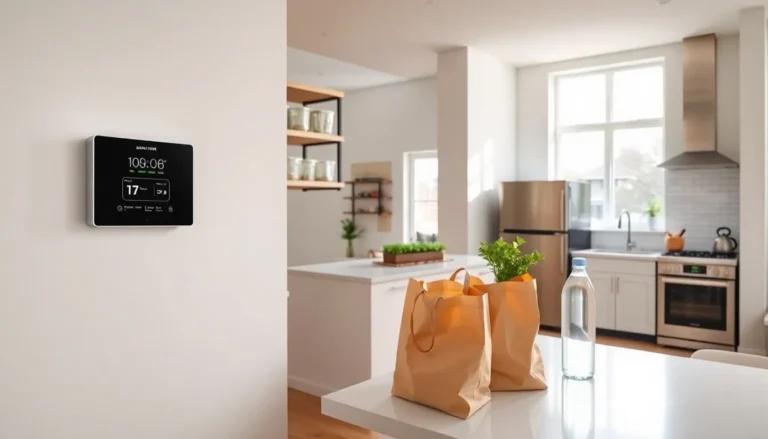
Smart thermostats learn household patterns and adjust temperatures automatically. They reduce heating and cooling costs by 10-15% annually, according to Energy Star data. Popular options include the Nest Learning Thermostat and Ecobee SmartThermostat.
Smart lighting systems offer similar benefits. Philips Hue and LIFX bulbs connect to smartphones, allowing users to control lights remotely. Motion sensors turn lights off in empty rooms. Schedules can mimic natural daylight patterns, which improves sleep quality.
Voice assistants like Amazon Alexa and Google Assistant serve as central hubs for smart homes. They control multiple devices through simple voice commands. “Turn off the living room lights” or “Set the thermostat to 68 degrees” becomes second nature.
Robot vacuums save hours each week. The Roomba and Roborock models map home layouts and clean on schedules. Some models empty their own dustbins, requiring attention only once a month.
Smart locks eliminate the need for physical keys. They allow remote access for guests, delivery drivers, or service workers. Users receive notifications when doors open or close.
The investment in smart home devices pays off quickly through time savings and reduced utility bills. Start with one or two devices and expand gradually.
Streamline Your Finances and Budgeting
Financial organization represents one of the most impactful smart living tips available. Automated systems reduce stress and prevent costly mistakes.
Automatic bill payments eliminate late fees and protect credit scores. Most banks and service providers offer free autopay options. Set these up for recurring expenses like utilities, subscriptions, and loan payments.
Budgeting apps track spending patterns automatically. Mint, YNAB (You Need A Budget), and Personal Capital connect to bank accounts and categorize transactions. They show exactly where money goes each month.
The 50/30/20 rule provides a simple budgeting framework:
- 50% of income covers needs (housing, food, transportation)
- 30% goes to wants (entertainment, dining out, hobbies)
- 20% funds savings and debt repayment
Automated savings transfers build wealth without requiring willpower. Schedule transfers to savings accounts on payday. The money moves before temptation strikes.
Price tracking tools alert shoppers to deals. Browser extensions like Honey and Capital One Shopping automatically apply coupon codes at checkout. CamelCamelCamel tracks Amazon price history, helping buyers time purchases.
Subscription audits prevent money leaks. Services like Truebill and Trim identify forgotten subscriptions. The average American wastes $240 annually on unused subscriptions.
These smart living tips create financial clarity and build long-term wealth through consistent, automated actions.
Maximize Productivity With Simple Habits
Productivity-focused smart living tips help people accomplish more in less time. Small habit changes compound into major life improvements.
Time blocking assigns specific hours to specific tasks. This technique prevents multitasking, which reduces productivity by up to 40% according to research from the American Psychological Association. Cal Newport popularized this method in his book “Deep Work.”
The two-minute rule states: if a task takes less than two minutes, do it immediately. This prevents small tasks from piling up and consuming mental energy. Answering a quick email, filing a document, or making a brief phone call, handle these right away.
Morning routines set the tone for productive days. Successful people often wake at consistent times, exercise, and tackle important work before checking email. They protect their peak energy hours for high-priority tasks.
Digital minimalism reduces distractions. Turn off non-essential notifications. Use apps like Freedom or Cold Turkey to block distracting websites during work hours. Keep smartphones in another room when focusing.
Batching similar tasks together improves efficiency. Process emails at set times rather than checking constantly. Run all errands in one trip. Group phone calls into a single block.
Weekly reviews keep priorities clear. Spend 30 minutes each Sunday reviewing the past week and planning the next. This practice, from David Allen’s “Getting Things Done” methodology, prevents important tasks from slipping through cracks.
These smart living tips transform scattered efforts into focused, meaningful work.
Reduce Energy Consumption and Save Money
Energy-saving smart living tips benefit both wallets and the environment. Simple changes can cut utility bills by 25% or more.
LED bulbs use 75% less energy than incandescent lights and last 25 times longer. Replacing all household bulbs saves approximately $225 annually for the average home.
Smart power strips eliminate phantom loads, the energy devices consume when turned off but still plugged in. Phantom loads account for 5-10% of residential electricity use. Smart strips cut power to devices automatically when not in use.
Programmable thermostats reduce heating and cooling waste. Setting temperatures 7-10 degrees lower for 8 hours daily saves up to 10% on energy bills annually. Smart thermostats take this further with learning algorithms and remote control.
Energy-efficient appliances carry the Energy Star label. When replacing old appliances, choose Energy Star certified models. An Energy Star refrigerator uses 15% less energy than non-certified models.
Weatherization prevents heat loss. Caulking windows, adding weatherstripping to doors, and improving insulation keep conditioned air inside. These improvements often pay for themselves within one year.
Cold water laundry saves significant energy. Heating water accounts for about 90% of the energy washing machines use. Modern detergents work effectively in cold water.
Unplugging chargers and devices when not in use prevents energy waste. This simple habit costs nothing and saves money immediately.
These smart living tips create lasting savings while reducing environmental impact.
Declutter Your Space for a Clearer Mind
Physical clutter creates mental clutter. Research from Princeton University shows that visual disorder reduces focus and increases stress. Decluttering ranks among the most powerful smart living tips for mental clarity.
The one-in-one-out rule prevents accumulation. For every new item entering the home, one existing item leaves. This maintains balance without requiring major purging sessions.
Marie Kondo’s method asks one question: “Does this spark joy?” Items that don’t earn their place go to donation, recycling, or trash. This emotional approach helps people release possessions they’ve held for wrong reasons.
Digital decluttering matters too. Unsubscribe from promotional emails. Delete unused apps. Organize files into clear folder structures. A clean digital space reduces daily friction.
Designated spots for everyday items save time. Keys, wallets, phones, and glasses should have permanent homes. This eliminates the average 10 minutes daily spent searching for lost items.
Regular maintenance prevents backsliding. Schedule 15-minute daily tidying sessions. Tackle one drawer, shelf, or closet section weekly. Small consistent effort beats occasional marathon cleaning.
Minimalism doesn’t mean owning nothing. It means owning things with intention. Quality over quantity applies to possessions, commitments, and relationships.
These smart living tips transform living spaces into calm, functional environments that support productivity and peace.